
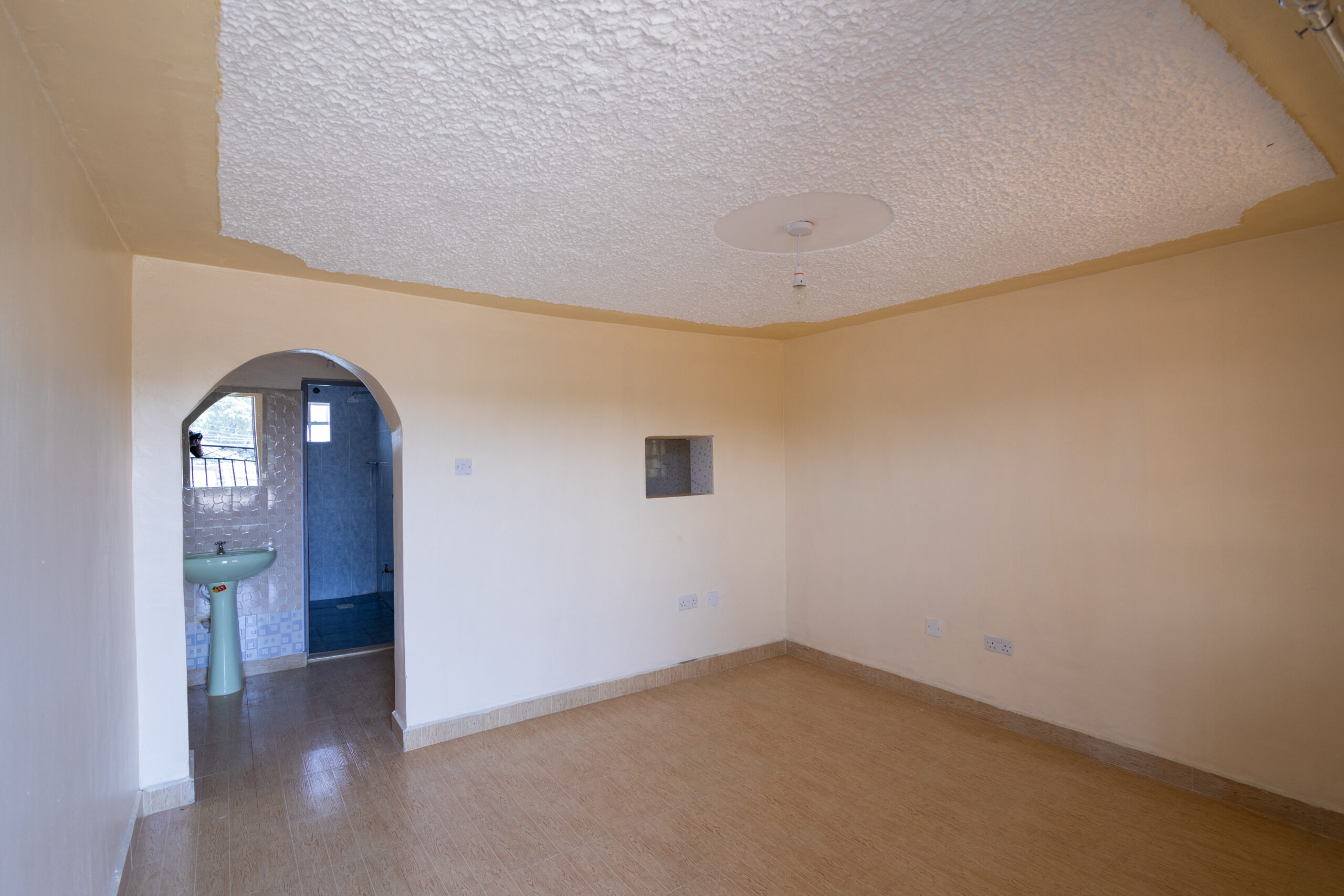
The ceiling is the fifth wall of any room, and in a basement, its role is magnified. Basements typically suffer from lower ceiling heights and a lack of natural light, making the color choice critical to the perceived size and mood of the space. Whether your ceiling is traditional drywall or an exposed labyrinth of beams, ducts, and pipes, the paint color can define the room’s entire aesthetic.
At Maple Crest Painting, we understand how to leverage color and finish to maximize the potential of a basement.
Why Ceiling Color Matters in Basements
Basement spaces require specialized attention regarding color because they often lack the vertical height and illumination found in above-ground floors.
Affects How Spacious and Bright the Room Feels
Color placement is the most powerful tool for manipulating the perception of height:
- Light Colors: Reflect light back into the room, making the ceiling appear higher and the space brighter. This is the safest and most effective strategy for smaller basements or rooms with exceptionally low ceilings.
- Dark Colors: Absorb light, causing the ceiling to visually recede. This can make the room feel cozier but also shorter and more dramatic, working best in media rooms, large spaces, or areas with excellent artificial lighting.
Helps Conceal Pipes and Ductwork in Exposed Ceilings
Many modern basements utilize exposed ceilings (leaving the joists, pipes, and HVAC systems visible) for an industrial aesthetic or to gain crucial inches of height.
- Camouflage: When painting an exposed ceiling, applying a single, uniform color (often black or dark gray) across every surface—wood, metal, plastic, and ductwork—eliminates the visual clutter and busy look. The structure then blends away, creating a clean, cohesive, and dramatically modern finish.
Popular Basement Ceiling Colors
The color you select should align with the function of the room and the height of the space.
White – Clean and Open Look for Low Ceilings
White is the perennial favorite for finished basement ceilings for a reason.
- Maximize Height: A crisp white, particularly with a high-light-reflectance (LRV) value, bounces light across the room, creating the illusion of height and openness. This is the optimal choice for basements used as living rooms, home offices, or children’s play areas where maximizing perceived space is the goal.
- Freshness: White promotes a clean, airy feel that combats the naturally dim, often damp, atmosphere of a basement.
Black – Modern, Dramatic, and Perfect for Exposed Beams
Painting a basement ceiling black is a deliberate design choice that yields a high-impact, modern result, particularly when dealing with complex, exposed infrastructure.
- Visual Recess: Black effectively masks the visual chaos of pipes, wires, and ducts by causing the entire structure to fade into the background.
- Application: It is the top recommendation for media rooms, home gyms, or industrial-style entertainment spaces. Black paint also works well for the unfinished spaces above dropped ceilings (when the grid is removed) to create a loft-like industrial look.
Gray – Subtle, Balanced, and Hides Imperfections
Gray offers a versatile middle ground between stark white and dramatic black.
- Hides Dirt: Medium or deep gray is a fantastic choice for utility areas or workshops, as it hides dust, smudges, and minor moisture stains better than white.
- Soft Concealment: When painting an exposed ceiling, a charcoal gray provides the camouflaging benefits of black but with a softer edge, integrating better with warmer, neutral wall colors.
Choosing the Right Finish
The sheen of the paint affects light reflection, durability, and the ability to hide surface flaws.
Matte for Smooth Ceilings
Matte or flat finish is the standard choice for most finished drywall ceilings.
- Hiding Imperfections: The low-sheen nature of matte paint absorbs light, which is excellent for hiding any uneven patches, minor drywall flaws, or visible seams—all common issues in basement construction.
- Soft Look: It provides a uniform, non-reflective surface that contributes to a smooth, traditional look.
Satin for Easy Maintenance and Light Reflection
If your basement is prone to moisture or is a high-traffic area, consider a finish with a subtle gloss.
- Durability and Moisture: Satin finishes are more durable and washable than matte, making them ideal for playrooms, utility rooms, or any area where high humidity might be a concern.
- Subtle Reflection: A satin finish will gently reflect more light than matte paint, aiding in brightening a dark room without the glare associated with high gloss.
Maple Crest Painting Recommendations
Successful basement painting relies heavily on two elements: cohesive design and lighting assessment.
Match Ceiling Color with Wall and Floor Tones
Think of the basement as a cohesive unit. Avoid choosing a ceiling color in isolation.
- Color Drenching: In a finished basement with adequate height, consider painting the ceiling the same color (or a very slightly lighter version) as the walls. This creates a monolithic, contemporary look where the eye travels seamlessly up the wall, maximizing the perceived vertical space.
- Contrast: If using dark walls and a white ceiling, ensure the white chosen is a cool, crisp white to avoid a dingy appearance against the contrast.
Consider Lighting Placement Before Painting
Basement light is almost exclusively artificial, and lighting type drastically alters the perception of paint color.
- Testing is Essential: Always test your paint samples on the ceiling under the specific type of lighting you will be using (e.g., warm 2700 K recessed lights versus cool 5000 K task lighting). A color that looks perfectly neutral in daylight can look yellowed or purple under the wrong bulb.
- Location: Ensure that lights are installed before painting the final coat, especially when dealing with exposed ceilings, as they may cast new shadows or highlights.
FAQs
Should basement ceilings be lighter or darker than walls?
It depends entirely on your design goal:
- Lighter than Walls: Recommended for traditional, bright, and open spaces. It makes the room feel taller.
- Same as Walls (Color Drenching): Creates a sleek, modern, and expansive look, often effective if the walls are a light neutral.
- Darker than Walls: Best for specialized, mood-driven rooms (media rooms, bars) or exposed ceilings where the goal is to hide the complexity above.
Can you paint directly over an unfinished basement ceiling?
Yes, but it requires thorough preparation and the right products:
- Cleaning: The ceiling must be thoroughly dusted and degreased.
- Priming: You must use an appropriate primer for the different materials present (wood joists, metal pipes, etc.). We recommend using an oil-based primer for metal and a quality latex primer for the wood to ensure proper adhesion and rust prevention.
- Application: An airless sprayer is highly recommended for exposed ceilings, as rolling would be impossible and inefficient.
Don’t settle for a dingy basement ceiling. Our team can properly prepare and paint your basement, transforming it into a beautiful extension of your home.
Ready to transform your underground space? Contact Maple Crest Painting today for a detailed basement consultation and estimate!