
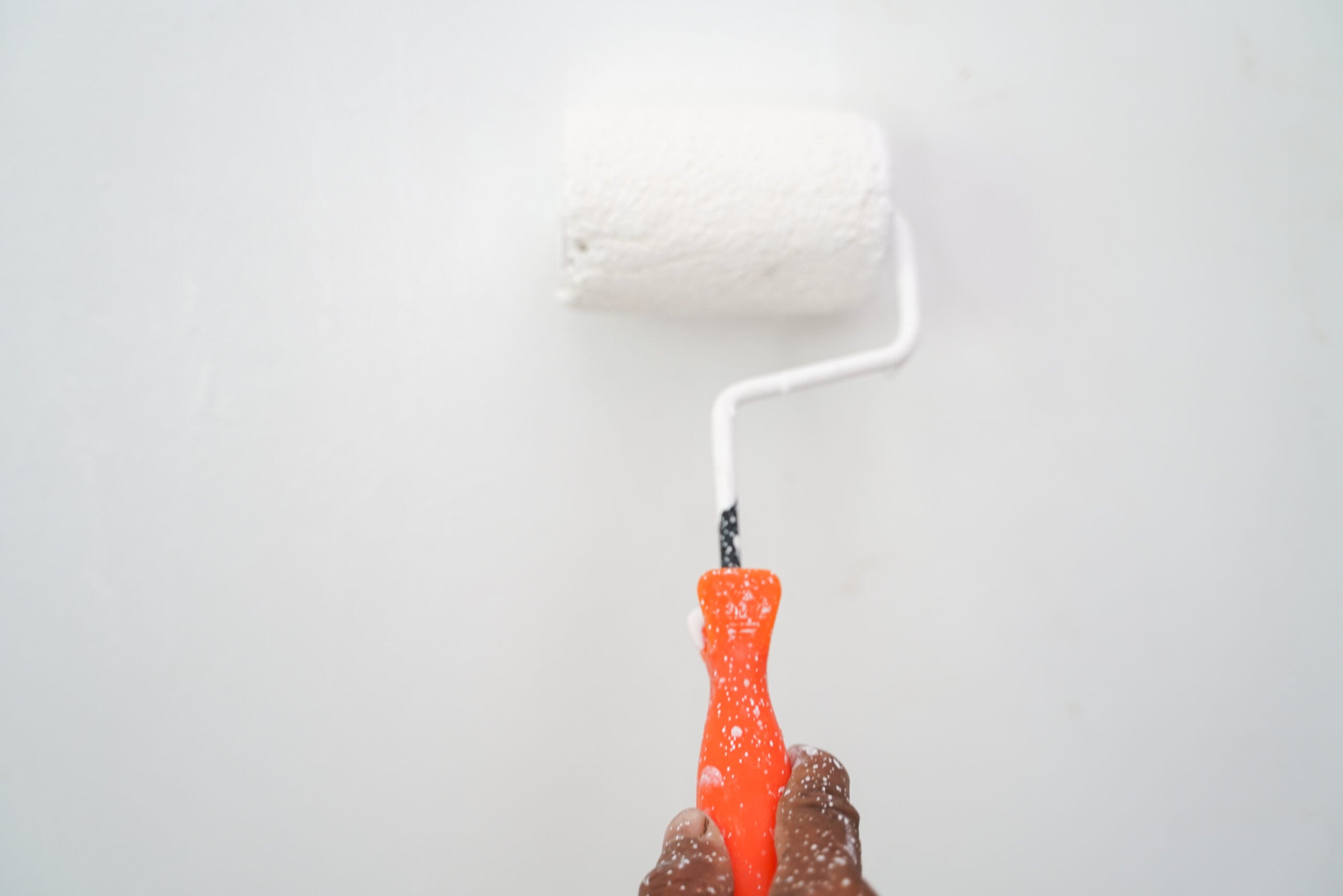
Homeowners often associate painting projects with spring and summer, but when it comes to interiors, winter can actually be the ideal season. While exterior painting is strictly governed by ambient temperature, interior painting takes place in a climate-controlled environment, offering unique advantages.
The experts at Maple Crest Painting know how to manage temperature, humidity, and ventilation to deliver perfect results year-round. Here is our professional guide to painting your interior walls during the colder months.
Why Winter Painting Is Possible
Unlike the exterior of your home, which is exposed to freezing temperatures, your interior is already kept within an optimal range for paint application and curing.
Controlled Indoor Temperatures and Low Humidity
The most critical factor in achieving a flawless, durable finish is a stable environment. In winter, your home’s HVAC system maintains a constant, comfortable temperature, typically between 68F and 72F (20C and 22C).
Additionally, heating systems often lower the ambient humidity, which is an advantage. Low humidity allows water-based (latex) paints to dry and cure efficiently and evenly. We don’t have to worry about the extreme humidity swings that can affect drying during the summer months.
Fewer Scheduling Conflicts with Painters
The painting industry typically sees a surge of demand in spring and summer as clients prioritize exterior work. By choosing winter for your interior project, you often gain an advantage in scheduling.
- Better Availability: Professional painting companies often have more flexible calendars in late fall and winter.
- Faster Starts: This reduced demand can mean shorter wait times, allowing you to start and complete your home renovation sooner rather than waiting several weeks or months for a prime summer slot.
Ideal Conditions for Winter Painting
While winter painting is feasible, it still requires maintaining specific conditions to ensure the paint adheres and cures correctly.
Room Temperature Between 50F and 85F
Most major paint manufacturers specify that both the room temperature and, crucially, the surface temperature of the walls must be above 50F (10C). If the surface of an exterior wall is cold, it can drastically slow the chemical bonding process of the paint.
For optimal application, we recommend keeping the thermostat set consistently around 68F or higher, and making sure the heat has been on for at least 24 hours before work begins.
Proper Airflow and Ventilation for Drying
Paint requires airflow to dry properly. Water-based paints cure through evaporation, meaning the water needs somewhere to go. If the air is stagnant, the humidity inside the room rises, and the paint drying process slows to a crawl.
We utilize strategic ventilation techniques—including box fans, air scrubbers, and careful air circulation methods—to keep the air moving and carry away moisture and any paint odors, all without dangerously dropping the room’s temperature.
Common Challenges
Working in winter presents specific technical challenges that differentiate professional work from DIY attempts.
Paint Drying Too Slowly or Unevenly
When a wall is significantly colder than the rest of the room (e.g., an exterior wall right next to a window), the drying time will be slower in that specific area. This can lead to:
- Poor Adhesion: The paint film does not bond strongly to the surface.
- Uneven Sheen (Flashing): The paint can cure at different rates, resulting in patches that look duller or shinier than the rest of the wall, ruining the uniform finish.
Condensation and Cold Wall Surfaces
A major concern is the dew point—the temperature at which air can no longer hold all its water vapor, resulting in condensation. If the air in the room is warm but the exterior wall surface is very cold, moisture can condense on the wall. Painting over a damp surface is a guarantee for peeling, bubbling, and premature failure. Maple Crest Painting professionals always check surface temperatures before applying the first coat.
Pro Tips from Maple Crest Painting
Our expertise ensures that we overcome these challenges easily, delivering the highest quality finish regardless of the weather outside.
Use Quick-Drying Latex Paints
We rely almost exclusively on high-quality, low-VOC or zero-VOC latex (water-based) paints for interior walls. These products are formulated to be durable, easy to clean, and, most importantly in winter, they dry quickly. This minimizes the time required for ventilation and reduces the impact on your home’s energy consumption.
Maintain Consistent Heating Throughout the Day
Do not turn down the heat significantly overnight to save energy during a painting project. Maintaining a stable, consistent temperature is vital for the curing process, which continues for several days after the final coat is applied. A sudden drop in temperature can stress the newly applied paint film and compromise its longevity.
FAQs
Does cold weather affect paint adhesion?
Yes, cold weather absolutely affects adhesion if the surface is too cold. Paint relies on chemical bonding to the substrate. If the temperature of the wall drops below the manufacturer’s recommended minimum (typically 50F), the paint cannot form a proper film, leading to poor adhesion and, eventually, peeling. It is always the temperature of the surface being painted, not the air, that matters most.
Should I open windows while painting in winter?
Yes, but only slightly and strategically. You need ventilation to exchange the air and allow the paint to dry efficiently. However, you must avoid creating a blast of frigid air that causes the wall surface temperature to plummet. We recommend opening a window a crack in the room being painted, and another window slightly cracked across the house, then using a fan to create a gentle, steady cross-breeze. This ensures airflow while keeping the temperature stable.
Don’t let the thought of chilly weather prevent you from updating your home. Winter is the perfect time to tackle those interior projects while saving prime warmer-weather slots for outside activities. With professional preparation and temperature management, your interior paint job will be flawless and long-lasting.
Book Your Winter Interior Painting Project Today with Maple Crest Painting for Priority Scheduling!